
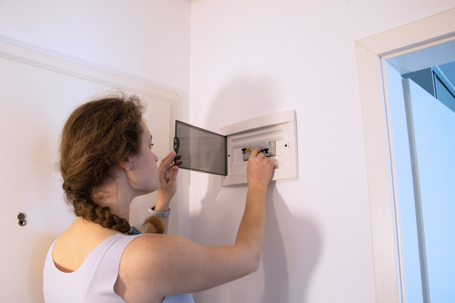
In our village, we are no strangers to the power of a New England storm. From the heavy ice of a January Nor'easter to the sudden lightning of a humid July afternoon, our local weather puts a massive amount of stress on our homes. While we often think about our roofs or windows, the electrical system is the "nervous system" that keeps your family warm, fed, and connected. Taking a proactive approach to storm safety is not about worrying; it is about ensuring that the power to your home stays steady even when the clouds roll in.
Why Your Home Needs an Electrical Check-Up
Electrical components are not meant to last forever, and they can wear out just like a set of tires or a furnace. Over time, connections can loosen, and insulation on wires can become brittle, especially in older homes across Massachusetts and New Hampshire. A professional electrical inspection identifies these hidden weak spots before they fail during a period of high stress, such as a heatwave or a blizzard. By catching these issues early, you protect your expensive electronics and, more importantly, your family's safety.
You might notice these silent warning signs that your system is struggling:
- Lights that flicker or dim momentarily when the wind gusts or the AC kicks on.
- Outlets or wall plates that feel warm to the touch or show slight discoloration.
- Faint buzzing or popping sounds coming from your electrical panel or switches.
- Circuit breakers that trip frequently, signaling that a circuit is being overworked.
Storm-Proofing Your Home Power Supply
When a major storm hits, your home’s exterior electrical components bear the brunt of the wind and rain. A professional inspection looks at how your house connects to the grid to ensure everything is physically secure. This includes checking the "service mast"—the heavy pipe that brings power from the street into your home—to make sure it hasn't started to lean or pull away from the siding. Strengthening these connection points now can prevent a total loss of power when the next storm arrives.
During a safety audit, a technician will focus on these critical protection points:
- Testing the surge protection at your main panel to save your appliances from lightning strikes.
- Ensuring all GFCI installations in wet areas like garages and basements are tripping correctly to prevent shocks.
- Checking the grounding system of your home to make sure stray electricity has a safe path to the dirt.
- Looking for low-hanging tree limbs that are getting too close to your overhead power lines.
The Role of Backup Power in Our Village
Staying powered during a neighborhood outage is a major priority for many families, especially those with home offices or essential medical equipment. Having a plan for backup power means you don't have to worry about the food in your fridge spoiling or your pipes freezing during a winter blackout. There are several ways to keep the lights on, ranging from simple manual setups to fully automated systems that kick in the second the grid fails.
A few reliable ways to stay powered through an outage include:
- Whole-home generatorsthat automatically restore power to your entire house within seconds.
- Manual transfer switches that allow you to safely hook up a portable generator to your home’s circuits.
- Dedicated battery backups for essential systems like sump pumps or security alarms.
- Modern panel upgrades that make your home ready for high-capacity backup solutions.
What a Professional Inspection Actually Covers
A professional electrical safety inspection is a thorough top-to-bottom look at your home’s wiring, panels, and devices. The goal is to ensure that everything meets current safety codes and is capable of handling your modern power needs. While the expert does the heavy lifting, there are small things every homeowner can do to make their home a little safer today. Keeping your electrical area clear and your detectors tested is a great way to support the safety of your home.
To help keep your home's electrical system in top shape, try these simple steps:
- Make sure your electrical panel is clearly labeled so you aren't guessing in the dark during a trip.
- Keep a three-foot "clear zone" around your main electrical panel for easy access during an emergency.
- Test your smoke and carbon monoxide detectors every single month to ensure the batteries are fresh.
- Schedule a professional safety audit to get a clear picture of your home’s resilience before storm season peaks.
Building a Resilient and Safe Home
Investing in the safety of your electrical system provides a foundation of peace of mind that lasts through every season. A resilient home is one that can handle the unexpected, whether it is a sudden power surge or a week-long outage. By staying proactive and addressing small repairs today, you prevent the stress and danger of a major electrical failure tomorrow. Taking care of your home is how we take care of our community, one property at a time.
When you are ready to strengthen your home’s defenses, Village Home Services is here to provide the expert care your system deserves. We specialize in essential technical upgrades like panel upgrades, reliable EV chargers, and whole-home generators to keep you connected. Whether you need a simple safety check or a complex repair after a storm, we focus on technical solutions such as proper grounding and circuit balancing to ensure your home's electrical system flows safely.
Don't wait for the next storm to find out if your electrical system is ready. Our experts are here to help you protect your home and family with a professional safety inspection. Book your electrical assessment online today or reach out to us at (978) 733-9593 for immediate support.